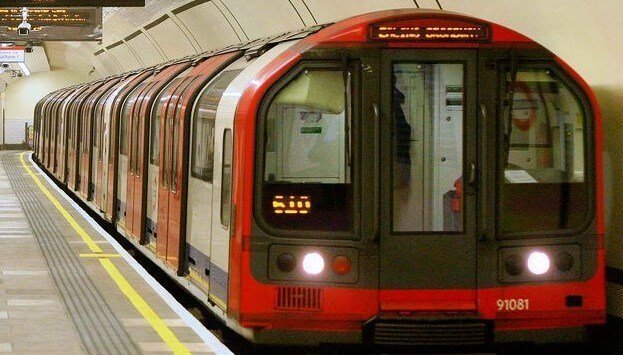
Understanding Underground Train Operators and National Rail Train Drivers is crucial for grasping the intricacies of the UK’s transportation system. Underground train operators are primarily employed by Transport for London (TfL), where the term ‘train operators’ is used. This contrasts with National Rail, which is managed by various individual train operating companies (TOCs). These TOCs are bound to bid for a franchise from the Department for Transport (DfT). Furthermore, the London Underground is specifically run and managed by London Underground Limited (LUL), ensuring that the operations meet the needs of the diverse and extensive passenger base in London.
In the context of National Rail, the rail infrastructure is owned and meticulously maintained by Network Rail. The system features a variety of electrification standards, such as 700 DC on some lines and 25,000 AC on others, while some lines operate without any electrification, necessitating the use of diesel trains. This variability illustrates the adaptability required in the rail industry. On the other hand, the underground rail infrastructure is maintained by Tubelines, with the electrification for the underground set at 600 DC Volts. As public transport evolves, understanding these technical details can enhance appreciation for the system’s efficiency and the challenges faced by operators.
Focusing on Underground Train Operators and National Rail Train Drivers provides essential insights into the broader rail system in the UK. Each sector plays a pivotal role in facilitating urban mobility and connecting communities across the country. The seamless integration of both services is vital for commuters who rely on these networks daily, highlighting the importance of consistent and reliable train services.
This article delves deeper into the nuances that differentiate the two roles, exploring not only the operational aspects but also the skills and training required for both Underground Train Operators and National Rail Train Drivers. By doing so, we can appreciate the unique challenges each faces in their respective environments.
What is the Difference Between Train Driving and Train Operation?
Insights into Underground Train Operators and National Rail Train Drivers
The rolling stock, or trains, utilised by these operators varies significantly. In modern times, many underground trains are highly automated, with operators primarily responsible for opening and closing doors at certain sections of the underground lines. For instance, the Jubilee line, Victoria line, and Central line are known for their fully automated operations, allowing operators to focus on vigilance rather than manual controls. This shift towards automation not only improves efficiency but also impacts the day-to-day experiences of train operators, who must adapt to advanced technology while ensuring passenger safety.
Once the train has stopped at a station, it is incumbent upon train operators to check CCTV from their dashboard or the platform to ascertain whether it is safe to open the train doors. In contrast, train drivers must skillfully reduce their speed and brake progressively to bring their trains to a stop. In Driver Operation Only (DOO) scenarios, drivers are then required to check platform mirrors or cab CCTV before opening the doors. If a conductor is present, they will take charge of opening and closing the doors. This clear division of responsibilities underscores the critical nature of each role within the rail industry.
Daylight access for underground train operators is limited, as they spend more than 95% of their working hours underground, thousands of feet beneath the surface. Although train drivers on the National Rail can traverse tunnels, their routes are generally not as deep. This difference in operating environment can lead to varying levels of fatigue and stress, which are critical factors in maintaining safety and efficiency in both roles.
The signalling systems differ markedly between underground train operations and surface (overground) train driving. Underground signalling follows a sequence of Red, Yellow, Small Double Yellows, and Green, necessitating operators to be acutely aware of their surroundings and the signalling changes. Conversely, overground signals follow a different sequence: Green, Double Yellow, Single Yellow, and Red. This fundamental difference impacts how each type of driver prepares for stops and interacts with the signalling system, which is crucial for maintaining safety and punctuality.
Underground train operators and overground train drivers undergo distinct psychometric tests during their selection process. For example, candidates for underground roles are assessed for concentration levels using the Symbol Search Test. Meanwhile, aspiring drivers on the National Rail mainline or overground are evaluated through the 4-Dots Search Test. These assessments are designed to ensure that only the most suitable candidates are selected, highlighting the cognitive demands of both positions.
Hey, that is the few insider know-how I can think of..
The insights into the workings of Underground Train Operators and National Rail Train Drivers illustrate the complexities of the rail industry in the UK. Understanding these differences not only enhances awareness of public transport but also encourages respect for the professionals who operate these essential services. Both roles require rigorous training, acute awareness, and a commitment to safety, ensuring that passengers arrive at their destinations efficiently and securely.
What are your experiences with both modes of transport, whether as a customer or an insider? Share your stories and insights on the efficiency, challenges, and personal experiences related to Underground Train Operators and National Rail Train Drivers, as your input may shed further light on the nuances of these vital roles.





Just a heads up, a lot of the information regarding the Tube is incorrect.
Tube lines only ever maintained 3 lines and that is long gone. The line voltage is between 630-750 volts.
Also train operators are assessed with multiple tests but the biggest one is the Situational Concentration and Awareness Test (SCAAT).
Thanks
Hi looking for Kelvin Gallagher train driver from Bedfordshire